-
Alice Broadway – Scar
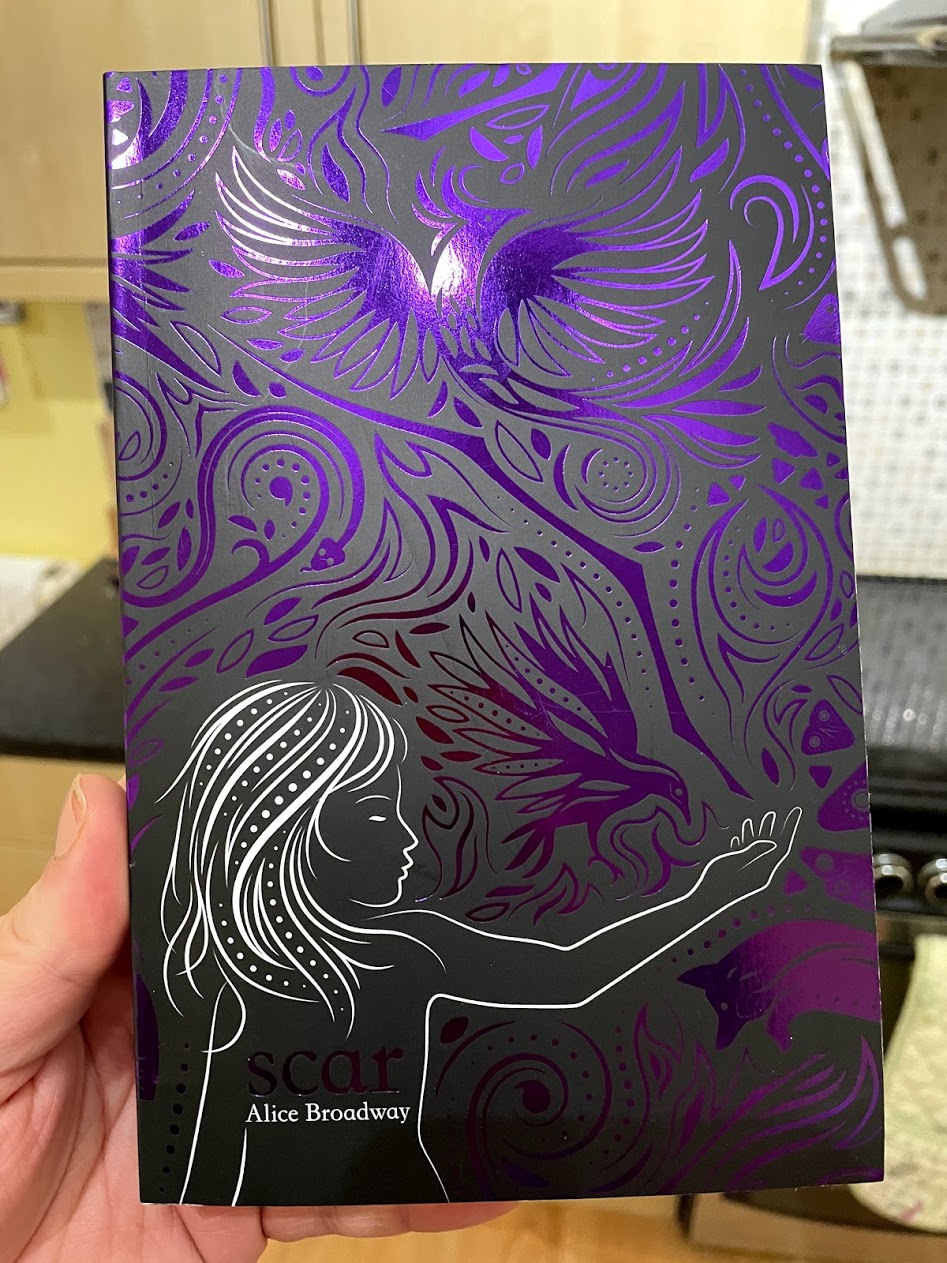
The blurb of this book calls this the ‘explosive finale’, but I have to admit, unfortunately I think this was my least favourite of the trilogy. The first two books were really fast paced and I felt compelled to keep reading, but I felt like this one was just slower and not quite as gripping.
And to be honest, the ending left me feeling quite disappointed. I’m not sure if I just didn’t ‘get it’, but it felt like the conclusion happened really quickly and without much explanation and then the book ended. I guess it was more political than the usual big climax that a YA book like this would get and it just wasn’t what I expected, I just kept waiting for the fight.
BUT, I did enjoy finishing Leora’s story. Leora has experienced life as marked and blank and learnt the traditions and histories of both, and she now has the monumental task of trying to reunite them before Jack Minnow can destroy them both.
After spending much of book two in Featherstone, we spend most of this book back in Sainstone, and Leora finds herself reunited with her mum, which I thought was great after their relationship fractured when the truth of her father came out.
“There is much that I do not know, Leora Flint, I admit that. The beginning of wisdom is realising just that – that there is so much more to the world than you can ever know or understand.”
Like the first books in the trilogy, this book again presents interesting perspectives on understanding other people and not taking your own history for granted as being the truth.
I don’t think we need to fight about whose story is the truest; I don’t think the existence of my story blots out the need for yours. I think that both stories together give us a new truth – a better, messier truth.
One of the things I loved about the first two books were the flawed but loveable side-characters like Obel, Oscar and Gull. And the fact that we didn’t hear as much from them in this book took the shine off for me, especially considering who took their place in the pages – Jack Minnow and Mayor Longsight, both of whom were detestable people.
I also found this quote pretty relevant after everything that is going on in America at the moment:
“Oh, you weren’t holding the knife – but if you watch and do not shout ‘Stop’, you are sanctioning everything you see.”
Overall, I’m glad I read this book to finish off the trilogy, but it was quite short and I kind of feel like the author could have made the first two books a bit longer and just had a series of two.
-
Alice Broadway – Spark
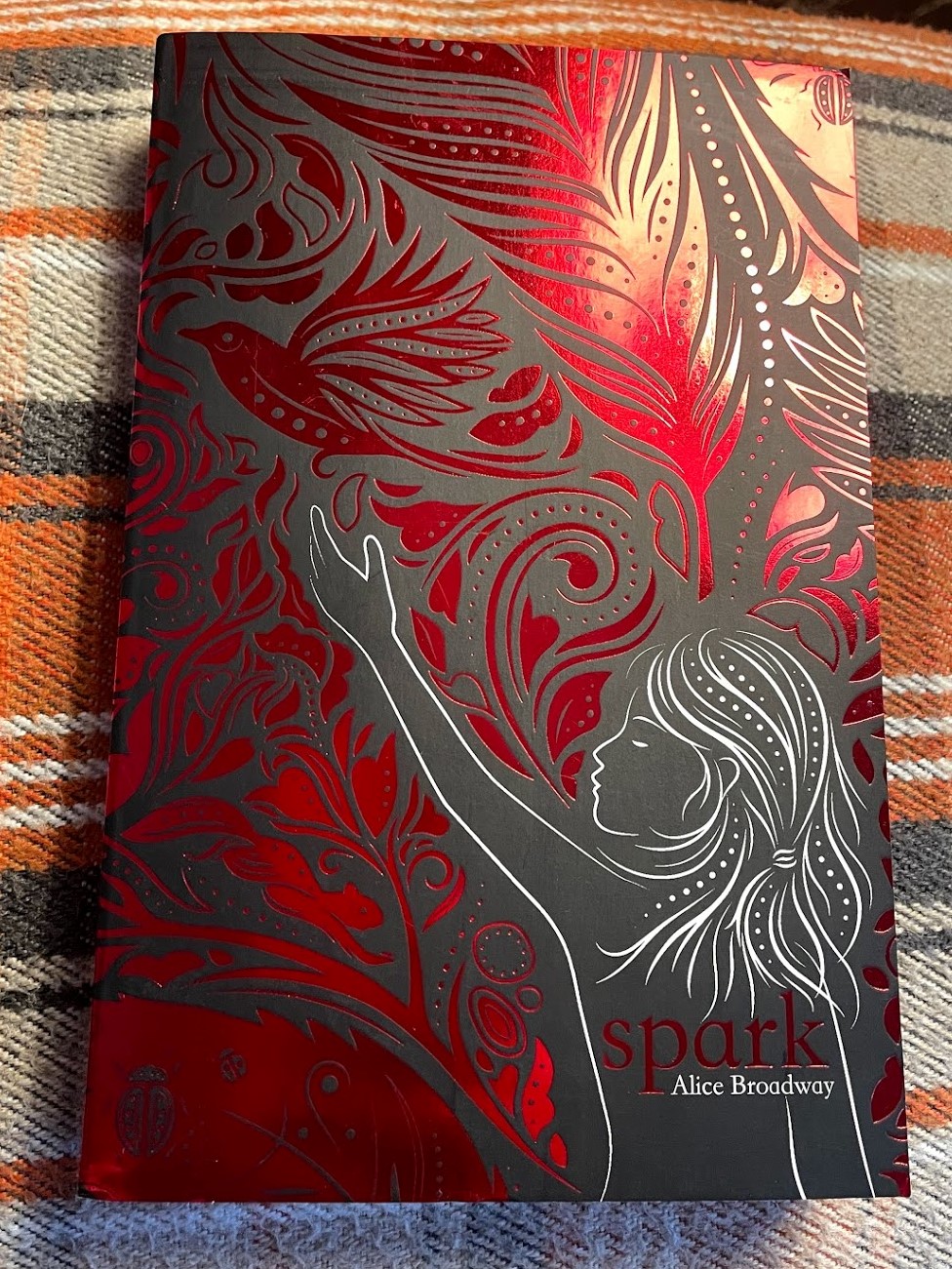
This review contains spoilers for the first book in the series – if you’ve not read it yet, look away now!
At the end of book one (Ink), Leora’s world is turned completely upside down. Everything she thought she knew about her life is in question, she doesn’t even know who her parents are (literally and metaphorically).
And now, she’s a pawn in Mayor Longsight’s game. Sent back to her blank ancestor’s land to spy on them and help the Mayor figure out a way to bring them down. But can Leora overcome everything she thought she knew about the blanks to be accepted by them? And does she truly want to be accepted or is she loyal to the marked people, despite what they’re making her do?
I found this book absolutely gripping, yet again I stayed up til 1 in the morning reading because I just couldn’t put it down. In fact, when my bedside lightbulb stopped working, I read by my phone torch so I could get to the end.
I absolutely loved seeing Leora’s relationship building with Gull, the girl she is staying with in Featherstone. Leora is not easily accepted into the community, but Gull quickly becomes an ally and a friend.
However, there is a lot of mistrust, particularly from Gull’s brother Fenn. When Leora finds out that they are the family of Obel, her mentor from Sainstone, that kind of makes sense, but it doesn’t make it any easier. And Leora doesn’t make it easy for herself either.
I loved learning about the history of Featherstone along with Leora. A lot of the stories we hear are very similar to the stories told in Sainstone in the first book, but with a slightly different twist on them. Showing how history can look different from both sides and it’s very hard to know which side is accurate, if either of them are.
This forms part of Leora’s struggle throughout this book, figuring out where is home and what her identity is. Half blank and half marked, it feels like she doesn’t fit in either place, but she still needs to decide where she wants to be.
To say this book ended on a cliffhanger would be an understatement. I think my jaw literally dropped. I can’t say more or there’ll be major spoilers, but I have a feeling book 3 is going to be ace.
-
Alice Broadway – Ink
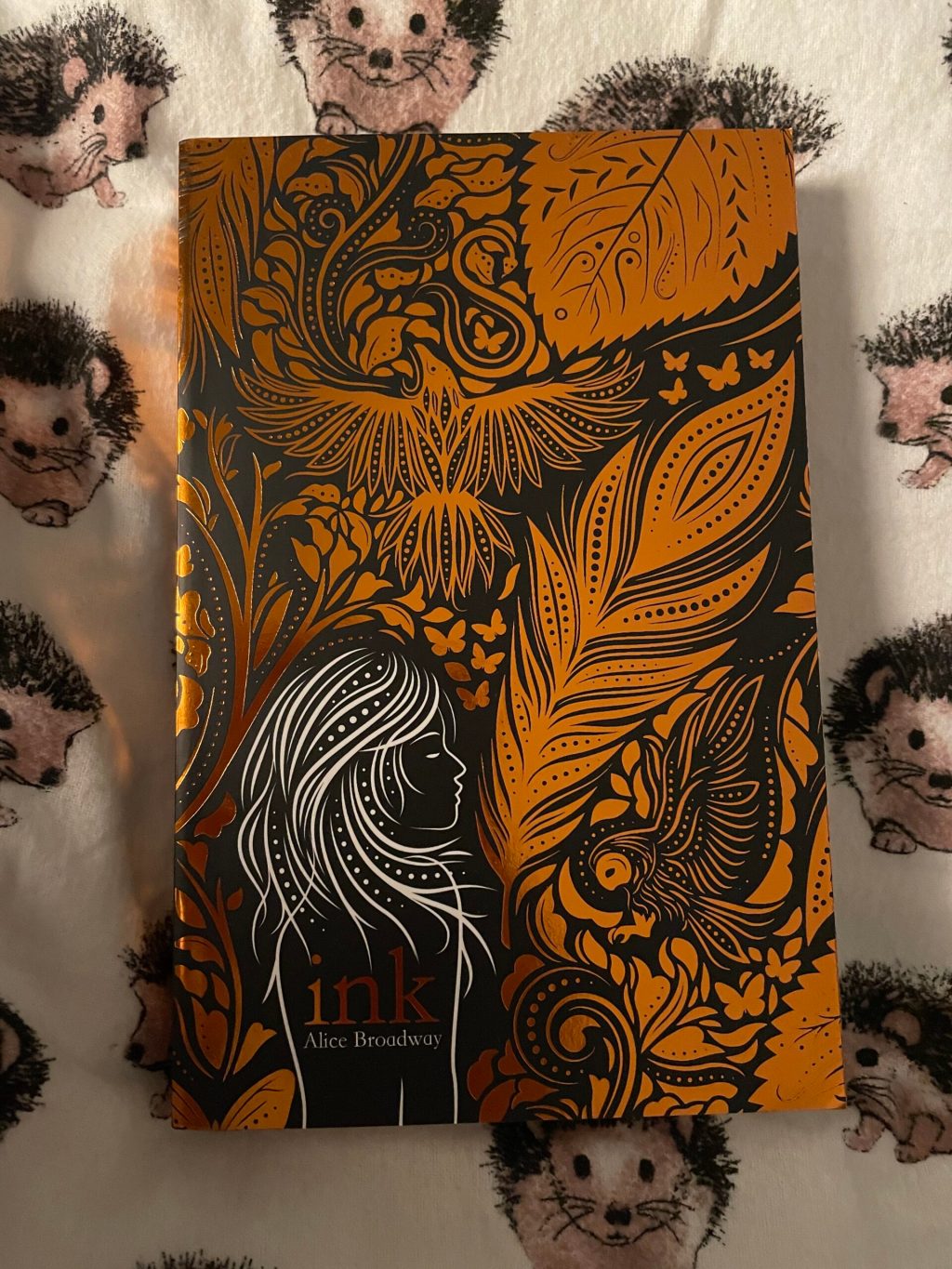
First book of 2021 and it was a good one! For some reason, despite going to bed at 1am, I woke up at 3.30 and couldn’t get back to sleep. I thought I’d read to make me sleepy, but this book was so gripping that I couldn’t put it down.
Leora lives in a world with no secrets. Everything about you is inked on your body – your age, your occupation, things you’ve done wrong. Imagine living in a world where everyone can see the misdeeds you’ve committed…
Leora is just finishing school and hasn’t even picked her first voluntary tattoo yet, the ink that she can choose to show who she is. She’s about to start her first job in the real world, but first she needs to pass her exams to find out what career she can go into. She’s always dreamed of being an inker, but that’s not a common role for a woman, perhaps she should be a flayer like her dad. Yes, flaying. I tried not to think too hard about that…
Leora is also blessed with the skill of ‘reading’. By looking at someone’s tattoos, she can see past the ink to the meaning behind it. This seems like it would be completely exhausting, not being able to walk down the street without knowing intimate details about people who walk past you.
When we start the book, Leora’s dad has just died. When you die in Saintstone, your skin is turned into a book (hence the need for flayers…). Since your life is literally written on your skin, that book decides whether you will be remembered, or forgotten. If you’ve done too much bad, your book will be burned and you will be erased from history.
“We’re all a bit bad. We all have things in our lives that bring us shame and regret. Things that have hurt our souls or hurt the people we love. But we’re all a bit good too. I reckon we’re mostly good actually. And life is about trying to learn the balance, plot our place on the continuum.”
Leora knows that her dad was a good person, and his book tells the same story. But all is not as it seems, and she is dragged into a murky situation where things come to light that she could never have imagined.
“Our bodies heal, our bodies repair. Our bodies are built with redemption running through our veins. We don’t consist of the failures and mistakes. We are made new every morning. The past doesn’t have to define you, Leora. Your mistakes don’t have to be for ever. There’s redemption. There’s always redemption.”
A gripping book filled with twists and turns, brimming with emotion and wonderfully imagined. It has a slightly orwellian feel to it, the way that the government wants to use the ink for their own purposes, and how this gives them complete control over their citizens.
I can’t wait to see what happens in book two! I hope we get to learn more about Obel and Oscar, two characters who came into Leora’s life but who still have an air of mystery about them.
Also, I can’t finish the review without mentioning the absolutely stunning cover – how could you not pick up a book that looks like this?!
366 pages. Published in: 2017Read in Paperbackon 31st December 2020 – 1st January 2021 -
Michelle Magorian – Goodnight Mister Tom
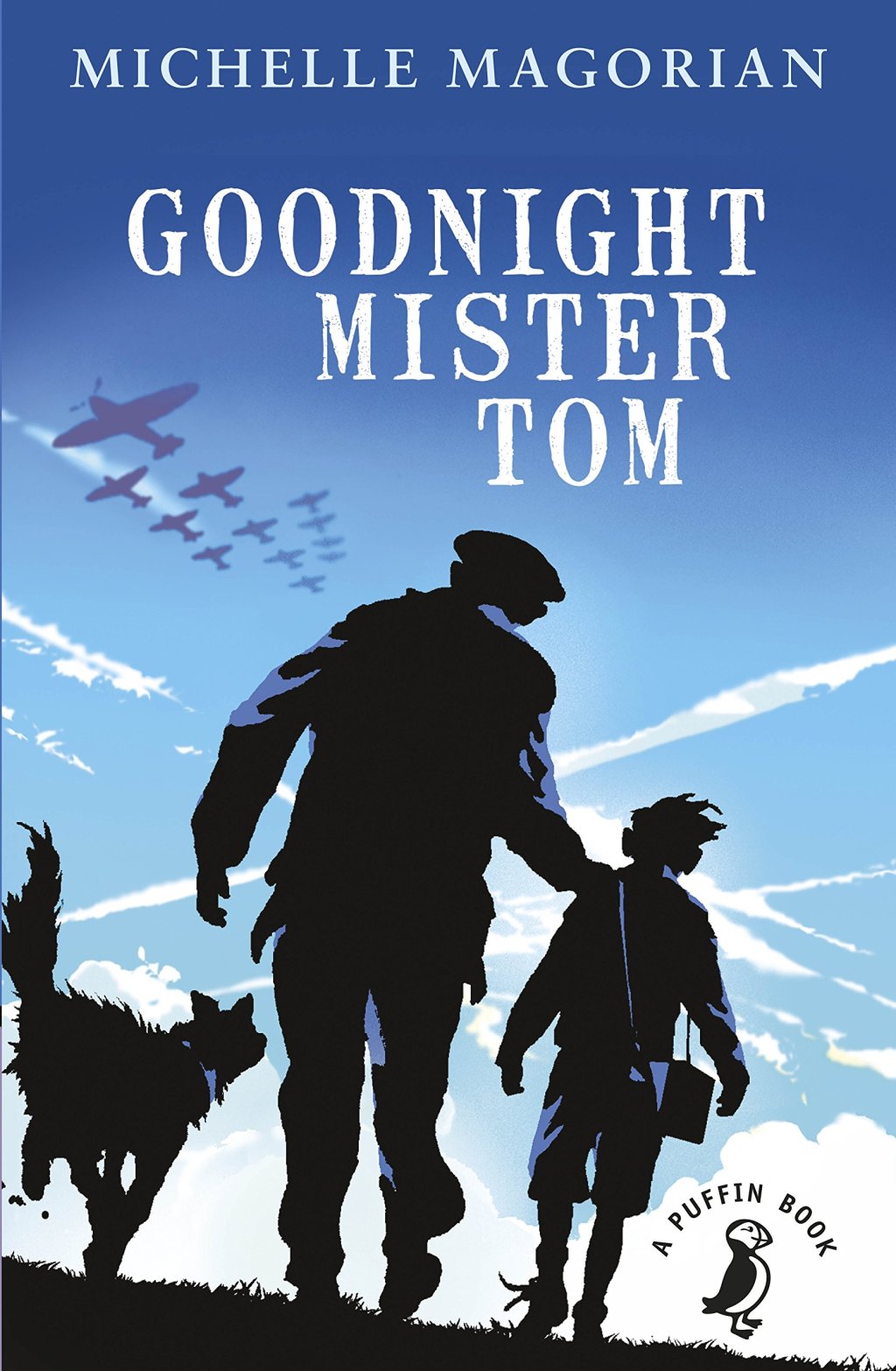
I think I read this book a few times in primary school, but I didn’t have many memories of it apart from finding it quite emotional, so I thought I’d try it again, given it’s part of my 100 book reading challenge poster that my sister bought me.
Despite it being more than 20 years later, I still found this book highly emotional, it’s impossible not to find an instant bond with young Willie as he arrives in the countryside from London, evacuated during the war.
You immediately know that he’s a poor neglected boy and all you want to do is wrap him up and take care of him, how could a sentence like this not break your heart?!
“He was such a bad boy, he knew that. Mum said she was kinder to him than most mothers. She only gave him soft beatings. He shuddered. “
It seems like Tom might not be the best fit to take of Willie; he’s grumpy and stern and not what it feels like Willie needs. And the other people in the village think so too:
“Miss Thorne said no more. Poor boy, she thought, away from his home and now dumped with an irritable old man.”
But very quickly Mister Tom comes out of his shell and we start to see Willie flourish under Tom’s gentle care and growing love. As it turns out, Tom wasn’t the grumpy old man that everyone thought he was, he was just living under a cloud of grief that he couldn’t get out of.
The first time that Tom and Willie said they loved each other, I properly started crying, it was such a lovely moment.
While it sounds like it might be a bit sweet and sickly, the book is not without it’s turbulent times and tricky parts to read – I’d forgotten a lot from first reading as a child and it took me by surprise.
For anyone who dismisses children’s books as being easy or not worth bothering, I’d argue strongly against that. You can take so much more from reading a children’s book as an adult than you did as a child, and going back to a childhood favourite is never a bad thing.
“It occurred to him that strength was quite different from toughness and that being vulnerable wasn’t the same as being weak”
-
N.K. Jemisin – The Fifth Season
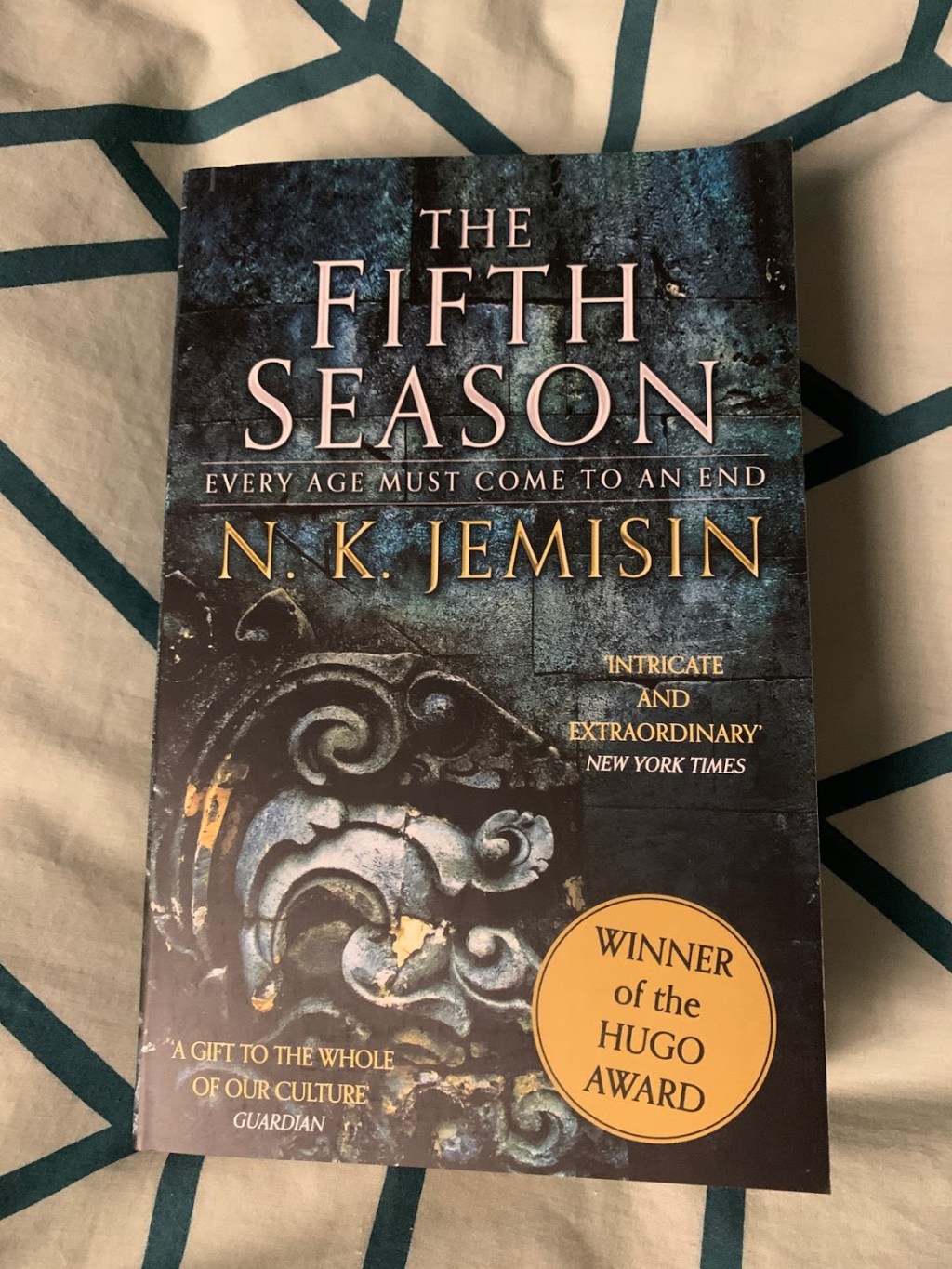
I was recommended this book by a few people at work when I had some money to spend on my Waterstones card, and I’m always glad to find a great new fantasy series to get stuck into.
I do have mixed feelings though. The first part dealt with some pretty awful topics that would probably have stopped me from reading if the books hadn’t had such good recommendations, and I found the first 150 or so pages pretty slow paced so it took me a while to get into it.
But when it got going, I just couldn’t put it down, and I devoured the last 200 pages in two sittings because I was so enthralled in what was happening.
We start the book with three different perspectives; Damaya, Syenite and Essun. I spent a long time figuring out how the three stories connected and trying to predict when the characters were going to meet, and when it clicked into place, I was gobsmacked.
I thought the world building was great and the way that the new concepts are introduced gradually was good because it was so new. I loved the idea of Orogeny, the ability to sess (feel) and control the movements of the earth – I’ve never read anything like it and when the more powerful aspects of those abilities were demonstrated, I was a little in awe.
As I mentioned before, the book covers some awful topics (like child abuse and death – see the content warnings on The StoryGraph), and it’s pretty brutal in its depictions, but that might not make you as squeamish as me; in which case, great.
I also loved how there was such a diverse cast of characters, sexuality and race were not automatically just straight and white like a lot of fantasy books, and it also didn’t feel like tokenising the characters, just a natural part of who they were. The book also included sex scenes but without them feeling gratuitous like some other fantasy books (GoT, anyone?).
I feel like things started clicking into place for me quite close to the end of the book (maybe I’m just slow?), but I feel like things have been set up so well for book two. There are so many unanswered questions and I’m a little gutted I don’t already own book two. Hopefully after Christmas though 🤞
“This is what you must remember: the ending of one story is just the beginning of another. This has happened before, after all. People die. Old orders pass. New societies are born. When we say ‘the world has ended’, it’s usually a lie, because the planet is just fine. But this is the way the world ends.”
-
Lenny Duncan – Dear Church
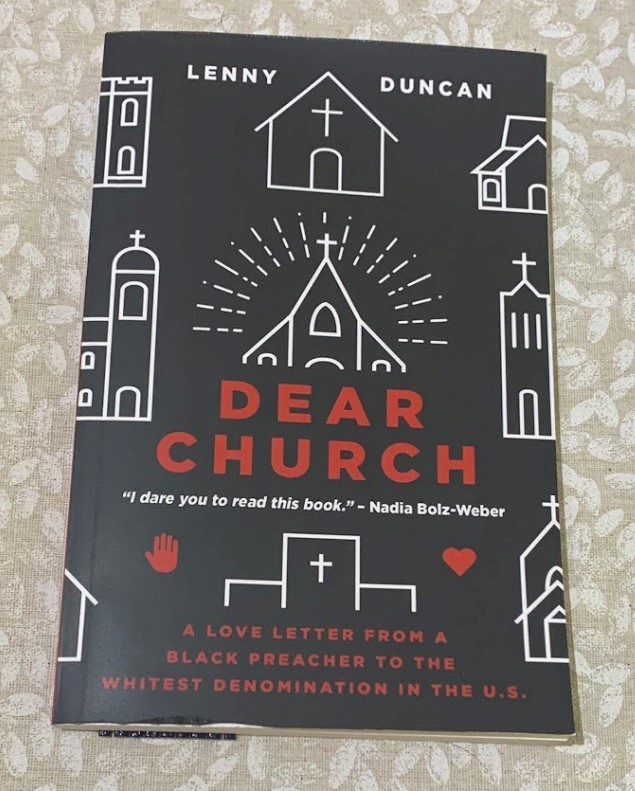
This is possibly one of the most passionate books I’ve read in a long time – the subtitle was “A love letter from a black preacher to the whitest denomination in the U.S.”, and that’s exactly what it felt like – a love letter.
A book that raises as many potentially ‘controversial’ points as this one could easily be seen as provocative and argument-starting, but the whole book is written from a point of love.
But love doesn’t mean you accept everything about someone, and this book is a huge challenge specifically to the ELCA (Evangelical Lutheran Church in America) but really to all of us.
A huge part of the book deals with issues around racism, but it also steps into other areas like LBGTQIA+ discrimination and toxic masculinity.
There were so many lines that shook me and made me stop to let it sink in. I’ll try not to share them all or I’d probably be sued for plagiarism, but one line that particularly struck me was this:
“White discomfort is not worse than experiencing racism as a black person.”
Talking about our failings (personally and corporately) can and will be uncomfortable, but it’s not worse than the alternative which is allowing racism to continue unchecked.
“Most folks aren’t actively racist but you are passively participating in the spiritual and economic enslavement of every person of colour in this church”
Duncan wrote a really good section on how even though we may not be actively racist against people in our congregation, we’re doing it without even trying.
“You don’t have to call me nigger. You don’t have to tell me that black lives don’t matter. All you have to do is do what the Lutheran church has been doing for five hundred years. Introduce me to Jesus. He looks nothing like me, so I’m left thinking he can’t possibly be for me. If he looks like all the folks who have, in fact, told me that black lives don’t matter, how can I trust that he believes my life matters?”
We need to do better as a church at not white-washing the bible. This may be hard for some to let go of, but the fact remains that Jesus wasn’t white. We do ourselves no favours when we depict him as white on our church walls and in our sunday schools.
In the section titled “Grace is an ever-widening circle”, Duncan says:
“Jesus wants us to love everyone. I’m constantly surprised and disappointed by how radical that statement seems to be. Are we that far adrift from what happened on the cross? The cosmos was shattered that day. The entire universe was thrown on its ear and the gates to the kingdom were thrown open.”
“When we exclude our LGBTQIA siblings, we become more and more like the world. Queer inclusion means that we are becoming more Christ-like, not the other way around. LGBTQIA inclusion is exactly what Jesus is doing. Jesus proves over and over again that who we think is the outsider is actually the insider.”
I’ve had this book on my wishlist since it came out and I seriously wish I’d read it before. It is definitely the kind of book that will need multiple readings – there’s just so much packed into its 150 pages, but man was I floored by so many points. Intensely personal, but deeply challenging, I think it’s a must read.
I’ll leave you with this final quote, which seems particularly apt right now as all our churches are closed for another lockdown.
“Right now, the world needs more Jesus people than it needs church people. If our gathered communities focus only on propping up the institution of church, all we will accomplish is propping up the failing infrastructure of empire. If we applied that same energy toward serving the people outside our church walls, we could be the spark needed to light the flame that burns away the barriers between us and the ever-living God – a God who stands ready to hold us in a warm embrace after generations of weeping for us to be in relationship with God’s own self.”
Seriously, if you want to be challenged about how you see the church, read this book.
-
Lindsey Kelk – A Girl’s Best Friend
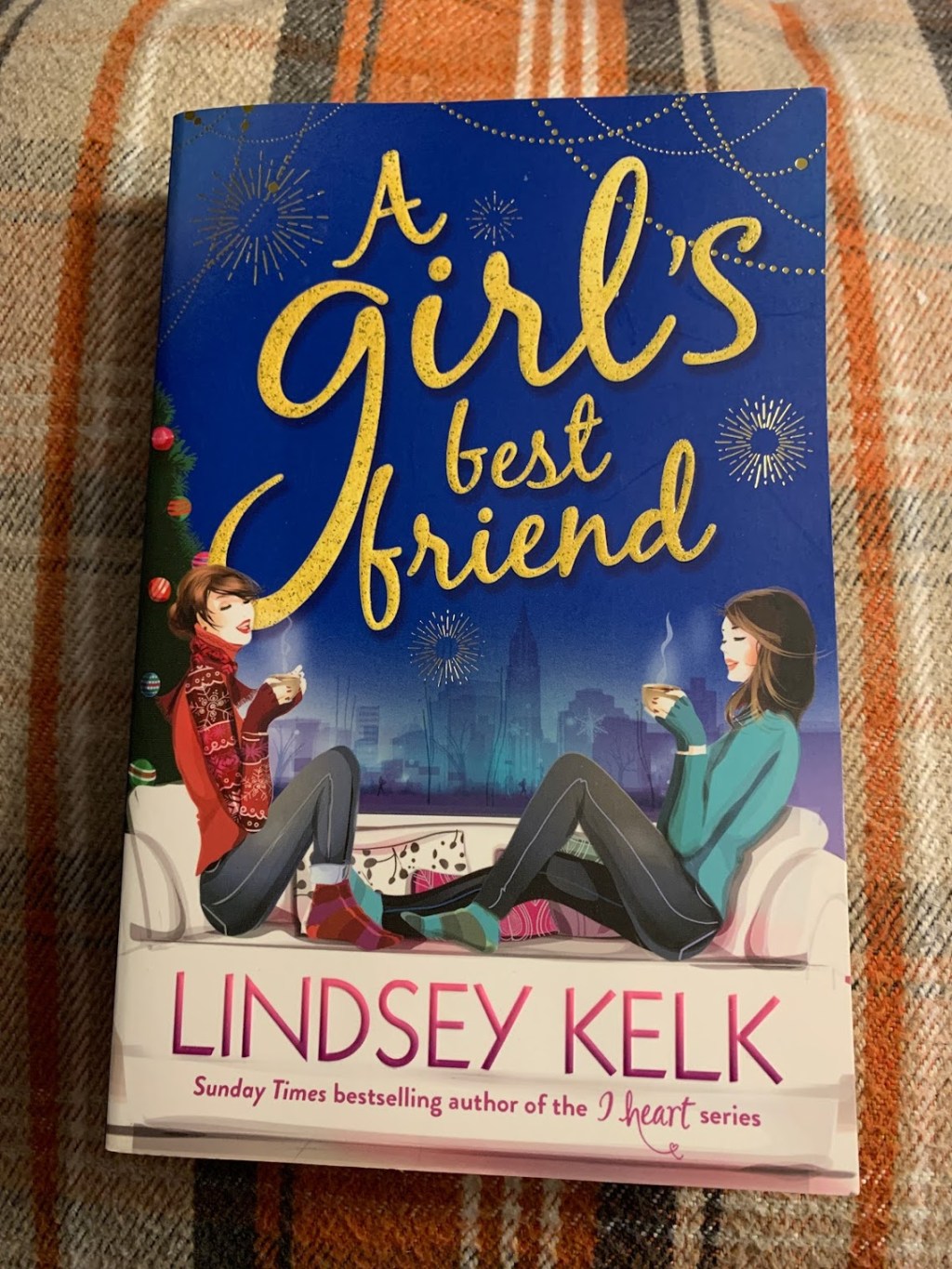
As seems to be the standard in this series, we start this book with another opening chapter which is a flash forward to the future.
It becomes clear pretty quickly that we’re at a wedding. But what is not quite so clear is who is getting married. To start with, I was leaning towards Tess. But then Charlie arrives. And then Nick arrives. What is happening?!
Then we flash back a few weeks, and we find out that the wedding is Kekipi and we breathe a sigh of relief. Having to read the whole book to find out who Tess was going to marry would be too much stress!
Since her last trip to Milan and her first gig as a paid photographer, Tess has not quite been living the life she thought she would. She’s now an assistant to a photographer called Ess, who is not exactly the nicest person to work for. It’s not the new life that Tess imagined.
And what makes that more galling is that Tess’ best friend Amy is living an amazing life in New York with her new job working for Al and planning the launch of his new fashion line.
So when Amy asks Tess to join her in New York for Christmas, Tess doesn’t really have much to lose.
A lot happens in the next week or so, and I won’t get into too much detail to avoid spoilers. But it’s fair to say that there were a lot of moments of laughter at the situations that Tess got herself into, some cringing seeing that she is getting completely the wrong end of the stick, and a lot of heart felt moments that made me want to give Tess and Amy a big hug.
I think this is the last book in the series and that makes me a little sad as I’d like to see more of how Tess gets on with the decisions she makes in the last chapter, but the epilogue was enough to keep me going. This was such a good ending to a fantastic series.
-
Lindsey Kelk – What a Girl Wants
Following on from the first book in this series, What a Girl Wants starts with another dramatic opening. Tess and Amy are in a prison cell, but we have absolutely no idea what has happened in the lead up to this moment. We’re then transported back in time and left on tenterhooks waiting to catch up.
Definite spoilers for the first book here, so back away if you haven’t read the first in the series yet!
At the end of the first book, Tess has left Hawaii and Nick has left Tess. But when she gets back to the UK, Charlie is there waiting for her, and he has figured out that he wants Tess to be his girlfriend.
It’s quite an abrupt change from Charlie’s mood before Tess left for Hawaii, and Tess is not sure. This probably has quite a lot to do with the handsome Nick who has gone awol and is not answering her calls.
Charlie also wants to go into partnership with her on a work basis too – putting together their own ad agency, and while she was in Hawaii, he already has clients lined up for them.
Then Tess is offered an amazing opportunity to fly to Milan to work on a project with Al, the fashion designer she was working with in Hawaii. He seems to have a soft spot for Tess and it’s her dream career.
When Charlie tells Tess that he loves her and her reaction is not exactly ideal, she decides to fly out to Milan for a week for this job. And who would be there but Nick…
I won’t go into too many more details before I spoil the whole book, but what I will say is that I found it very hard to judge characters throughout this book. I swung wildly between thinking Nick was amazing, to thinking he was a complete idiot, to wondering if he was behind one of the shadier parts of the storyline.
I also had my misgivings about Amy, Paige and Kekipi, so you can probably tell I found it quite hard to predict how this book would end.
I’m so glad I have book 3 to move straight on to this weekend, I can’t wait to see what happens for Tess next.
-
Lindsey Kelk – About a Girl

This book was just what I needed, taking me away to Hawaii for a day and away from the miserable grey rain outside – it genuinely made me feel so happy.
The book starts with quite a dramatic opening where Tess’ life seems to be coming to a slight dramatic point and just when you’re wondering what the heck is happening, we skip back in time to when the whole tale started.
Tess is the kind of woman who has a plan for her life. She’s completely dedicated to her career, and just about to start her first day of her new promotion – Creative Director at the ad agency where she’s worked for years.
But that’s when things start going wrong. Instead of being shown to her new office, Tess is shown the door. And without giving too many spoilers, that’s not the only thing that goes wrong – it seems like life is falling apart for poor Tess.
But then an opportunity falls into her lap and she just can’t say no. The next thing she knows, she’s on the beach in Hawaii, flirting with an attractive (yet seemingly full of himself) man called Nick, and drinking cocktails with her new gay best friend Kekipi.
The only minor flaw in this otherwise perfect plan is that Tess is currently pretending to be her photographer roommate Vanessa, and it seems like a matter of time before she’s found out, given how this trip to Hawaii is a working trip and she’s expected to know what she’s doing.
We follow Tess through a somewhat rocky week of highs (that secret waterfall scene anyone? 😍), and lows (like arguing on the phone with her best friend while drunk in the toilet of a club 🤢). As I mentioned before, I felt like I was in Hawaii following these ups and downs with Tess, the book was so well described that I could almost feel my toes in the sand.
The book ended on such a cliffhanger, and I was absolutely gutted that I didn’t know how Tess’ story would end, but then thankfully I found that it was part of a series! And even better for me, the second book was available on my library app for free – that’s the rest of my weekend sorted! I absolutely loved this book and can’t wait to read more.
-
Austin Channing Brown – I’m Still Here: Black Dignity in a World Made for Whiteness
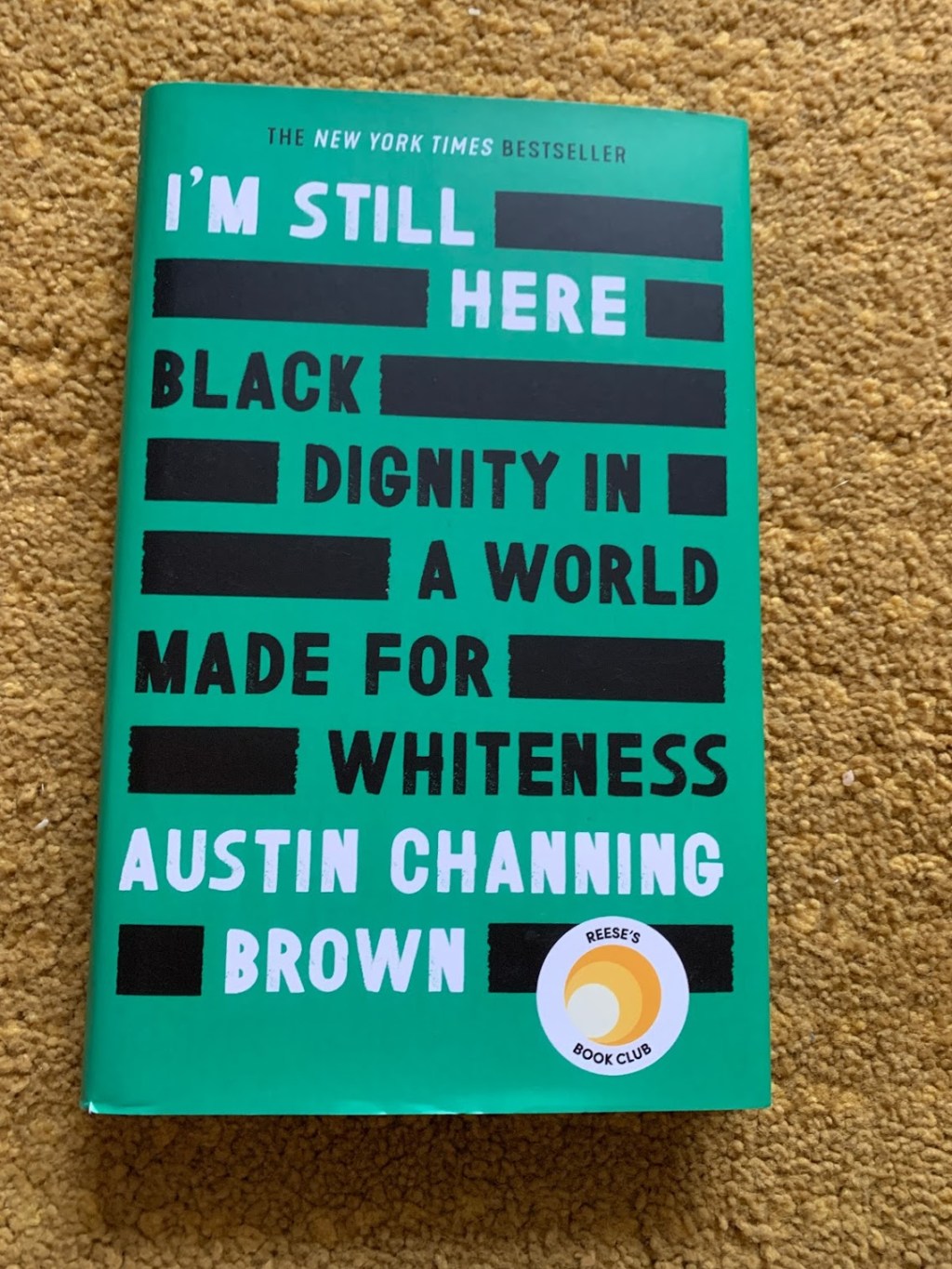
I’ve been trying to make more of an effort to educate myself on topics that are out of my comfort zone. It’s become abundantly clear this year through many things that have happened that it’s not enough not to be racist, but you need to be actively anti-racist too.
And the only way I can think of being able to do that is to educate myself more around the problems that I could not even dream of.
This book was a very fast-paced read, the author’s voice being very compelling and urging you to keep reading and turning the pages. I didn’t realise before I started that the author is also from a church-background, which was an extra interesting dimension to me (although I have very little knowledge of churches in America).
Filled with personal stories, I felt my heart breaking many times at the things that she (and other black families like hers) have to think about on a daily basis that I would never have considered.
Like the time she got told off for touching things on a shelf in a shop, then stuffed her hands in her pockets so she couldn’t do it again. Then her dad had to explain to her that she cannot touch something in a shop and then put her hands in her pockets or someone might notice and assume she was stealing something.
Even the fact that her parents named her Austin so that when she applied for jobs, people might assume she was a white man and that would help her get to an interview. I can’t imagine having to even consider being excluded from a job because of my name.
When thinking about being anti-racist, it’s not just about not slinging insults or judging people, but also thinking about the things we say that feel innocuous, but actually cling to the belief that we are all the same and are based around white culture. The author says:
“For example, when teachers wanted to drive home the point that we should do something daily, they often likened it to how you wash your hair every morning. It never occured to them that none of the Black girls in the class did this”.
This made me think of all the times I may have done something like this inadvertently during youth groups etc, and I definitely need to commit going forward to being more careful with how I speak.
“When you believe niceness disproves the presence of racism, it’s easy to start believing bigotry is rare, and that the label should be applied only to mean-spirited, intentional acts of discrimination.”
The author talks about reconciliation and now it’s not just about people reaffirming their own goodness.
“These folks want a pat on the back simply for arriving at the conclusion that having people of colour around is good. But reconciliation is not about white feelings. It’s about diverting power and attention to the oppressed, toward the powerless. It’s not enough to dabble at diversity and inclusion while leaving the existing authority structure in place. Reconciliation demands more.
And from a biblical perspective:
“Reconciliation is what Jesus does. When sin and brokenness and evil tore us from God, it was Jesus who reconciled us, whose body imagined a different relationship, who took upon himself the cross and became peace.”
I would highly recommend this book, it’s not too long and I read it in two sittings, but it opened my eyes to a world that I had no knowledge of, and want to learn more from.

Louise Douglas
(I've got no) Shelf Control…
 Louise Douglas